What to look for in a lesson observation, and what to ignore
Wondering what to look for in a lesson observation? A practical guide for observers: start with the students, notice four things that drive learning, ignore the distractions and turn what you see into one clear next step.
By Jacques Tredoux, Founder & CEO of Northbeam Leadership · 12 November 2026 · 4 min read
Walking into a colleague's classroom to observe can feel awkward for both of you. If you are new to observing and have been searching for what to look for in a lesson observation, you may have found long checklists with twenty or thirty boxes. The problem is that nobody can watch thirty things at once, and no teacher can act on thirty points of feedback.
So I want to suggest a simpler approach. Look for learning first, notice a few things that drive it, and be honest about what a single visit can and cannot tell you.
What to look for in a lesson observation: start with the students
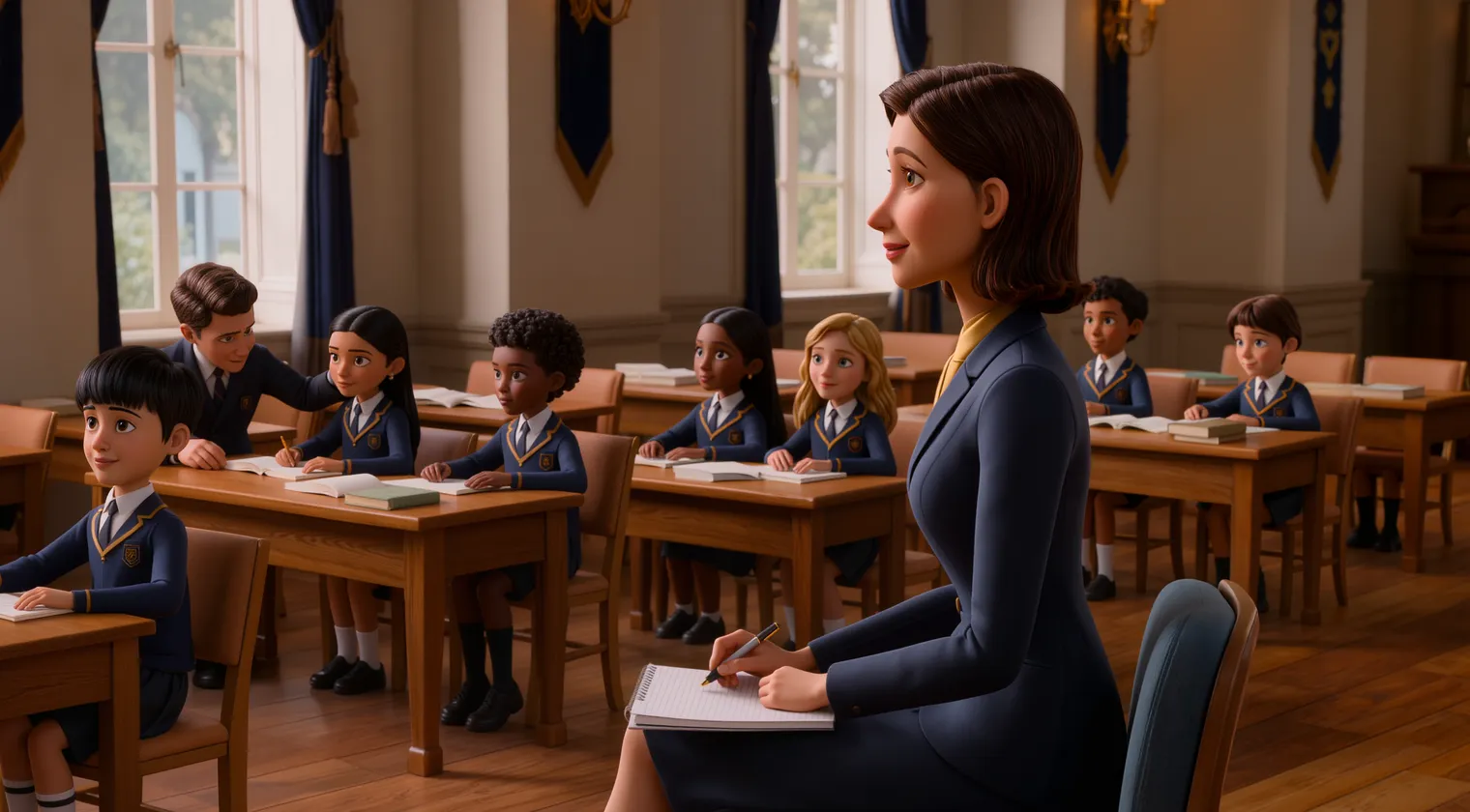
It is tempting to watch the teacher: the slides, the explanations, the energy at the front of the room. But the most useful evidence usually sits with the students. What are they actually doing, thinking about and producing?
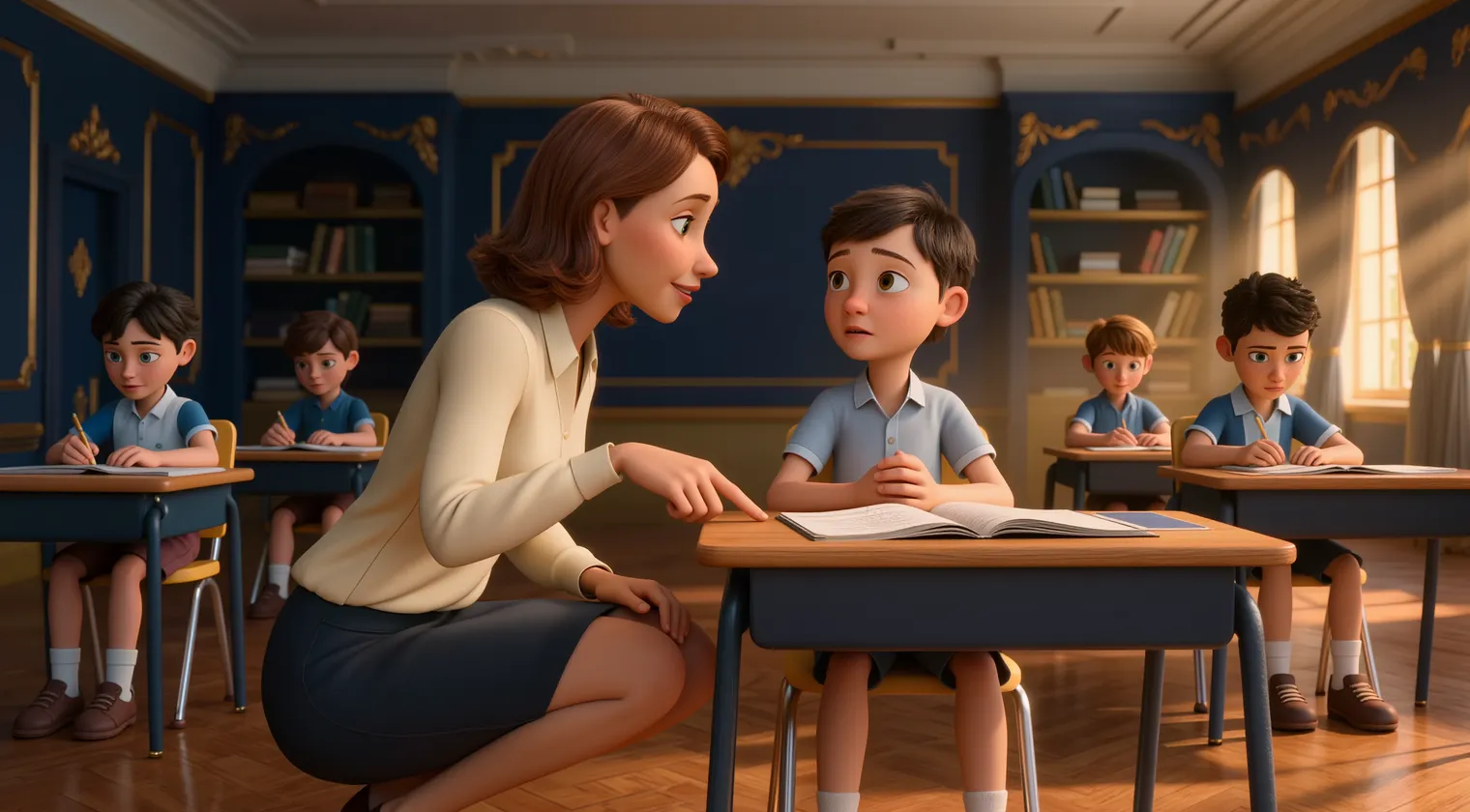
Try a few simple habits. Look at the work in books and on desks, not only the work on the board. Quietly ask two or three students what they are learning and why it matters. Notice who is doing the thinking. Is it most of the class, or a confident few answering every question?
These small checks often tell you more than twenty minutes of watching the front of the room.
Four things worth noticing
Clarity. Do students know what they are learning and what good work looks like? Can they explain it in their own words?
Checking for understanding. How does the teacher find out whether students have understood before moving on? Mini whiteboards, targeted questions and short tasks all count.
Challenge. Is the work stretching students, including those who finish early, or are they simply busy?
Climate. Is the room calm and purposeful? Do students feel safe enough to get something wrong and try again?
You will not see all four in depth on every visit, and that is fine. Where you can, agree a focus with the teacher beforehand. It makes the observation fairer, and it makes the feedback far more useful.
What to ignore, or at least hold lightly
Some things are easy to see but tell you little about learning. A busy room is not the same as a thinking room. Neat displays, colourful slides and a lesson that follows a set template can all look impressive without moving students forward.
It is also worth being honest about your own preferences. Every experienced teacher has a style they like. The question is not "Would I teach it like this?" but "Are these students learning?"
And be careful about judging a teacher from one lesson. A single visit is a snapshot. Over more than twenty years in education, I have come to believe that the most useful observation systems look at patterns over time, through several short visits, student work and honest conversation, rather than one high-stakes performance.
From what you saw to what happens next
Before you leave the room, choose one strength and one next step. Just one of each. Note the evidence behind them, so the conversation is about what happened rather than your impression of it.
Then hold the feedback conversation soon, ideally the same day or the next, and spend most of it listening. Ask the teacher what they noticed first. Often they have already seen what you saw.
If observing lessons is a new part of your role, the free middle leader checklist will help you plan your first term.
So here is a question to take into your next observation. If you could notice only one thing, what would tell you the most about whether students are learning?
Wondering how to reduce teacher workload? A practical guide for team leaders: how to audit where your team's time really goes, five changes you can make this term, and why protecting time is real wellbeing work.
Wondering how to stop procrastinating as a teacher? Procrastination is rarely laziness. Here is how to work out why a task keeps slipping, and the small, practical steps that get it moving before the deadline arrives.
Wondering how to support students with anxiety in the classroom? Here are practical, everyday steps that make lessons feel calmer and more predictable, and a clear reminder of when to pass a concern on.
A practical checklist for new heads of department, year leaders and team leaders: three phases to work through, from listening and learning in your first 30 days to leading your first improvement by day 90.
Download it straight away. We will also send you a quick email to confirm your address. Once you confirm, you get a copy of the checklist and four short follow-up tips over the next ten days. You can unsubscribe at any time.
We use cookies from Google Analytics, Microsoft Clarity and Metricool to see how visitors use this site and which posts bring them here. You can accept or decline. Our course platform, Thinkific, uses Google Analytics and the Meta Pixel to measure purchases. Read our cookie policy